5 Amazing Things to do in Berlin
Berlin is an incredible city full of arts, culture food, and music; if you’re looking for free things to do in Berlin then look no further than this quick guide around the incredible German city.
I have always had a fascination with Germany since I tried learning the language in High School. There’s always been something about the language, culture, and food that has always had a tight grip on my heart. So when I visited a few years ago I made every effort to visit some of the most historic locations in Berlin.
In this Berlin travel guide, you will uncover the most unforgettable things to do in Berlin, from museums and galleries to amazing places to eat and incredible architecture.
Berlin is by far my favourite city in the world; the easy-to-use public transport and ability to cycle anywhere and everywhere make it such a liveable city that there is no question why a piece of my heart was left behind.
Germany is a country that you can’t travel through without getting overloaded with history lessons. This beautiful European country may have a controversial past but that doesn’t take away from the incredible landscapes, beautiful people, and amazing towns and cities. Collectively I’ve spent just short of 2 months in Germany and I can’t think of one bad experience I’ve had, even down to the customer service. Every German local I came across was always polite, straight to the point, and willing to help, even if I did butcher their language.
I’ve put together a quick list of the most interesting and educational locations and sites to visit while in Berlin. Some will take no longer than an hours stop, others might take a whole afternoon depending on your attention span.
About Berlin
Berlin is the city of no returnees; if I had a dollar for every time I met or knew someone who visited Berlin for a week, but ended up staying for 2+ years… Well, I’d have enough money to buy myself a traditional German meal. And to be honest, if I didn’t have anyone waiting at home for me I probably would have stayed in Berlin for a few years too.
Berlin is where most people begin their adventures in Germany, whether they’re wanting a club and dance crazy adventure, or want to educate themselves about the events of World War II, Berlin is a great German City to start an adventure you won’t forget.
Berlin is definitely a city like no other; their culture, food, underground and alternative clubbing scenes are like nowhere else you will find in Europe. Also the beer is just *chefs kiss* amazing. I’ve visited Berlin twice, and with each visit my experiences only got better. I very rarely drink beer in New Zealand. I originally thought the connection between my love for the hoppy liquid and Europe was thanks to the hot weather, and because ordering a gin and tonic in German doesn’t quite roll off the tongue as easily. But no, New Zealand and Australian beer is more like pepewasser when German beer enters the race.
Best Time to Visit Berlin
In order to get the most out of all these things to do in Berlin, you have to visit at the right time. Whether you’re coming for a winter holiday and want to experience a winter wonderland or you want to enjoy a European summer, it’s always important to take note of the seasons.
- Spring (Apr-May): Temperatures are warming up, park in bloom. Can still be quite rainy.
- Summer (June-Aug): Hottest weather, long days and plenty of outdoor activities and festivals. The most crowded and most expensive time of the year.
- Autumn (Sep-Oct): Can be quite dry and still pleasant weather conditions for outdoor activities. Fewer crowds and temperatures begin to drop.
- Winter (Nov-Mar): Coldest time of the year with temperatures dipping below freezing, chance of snow. Quieter and cheaper time of the year. Festive with plenty of Christmas markets.
Berlin Hostels and Accommodation
Finding accommodation in Berlin is as simple as checking out listings on Airbnb or Booking.com. If you’re after a Berlin Hostel then look no further than Hostel World, this is where I found majority of my accommodation while traveling Europe.
Berlin WWII Landmarks
These Berlin WWII landmarks are a mix of incredibly moving monuments which leave a stark reminder of our not too distant past, and the resilience of the German people to overcome and acknowledge their countries history and turn it into art and education for generations to come.
Berlin Wall and East Side Gallery
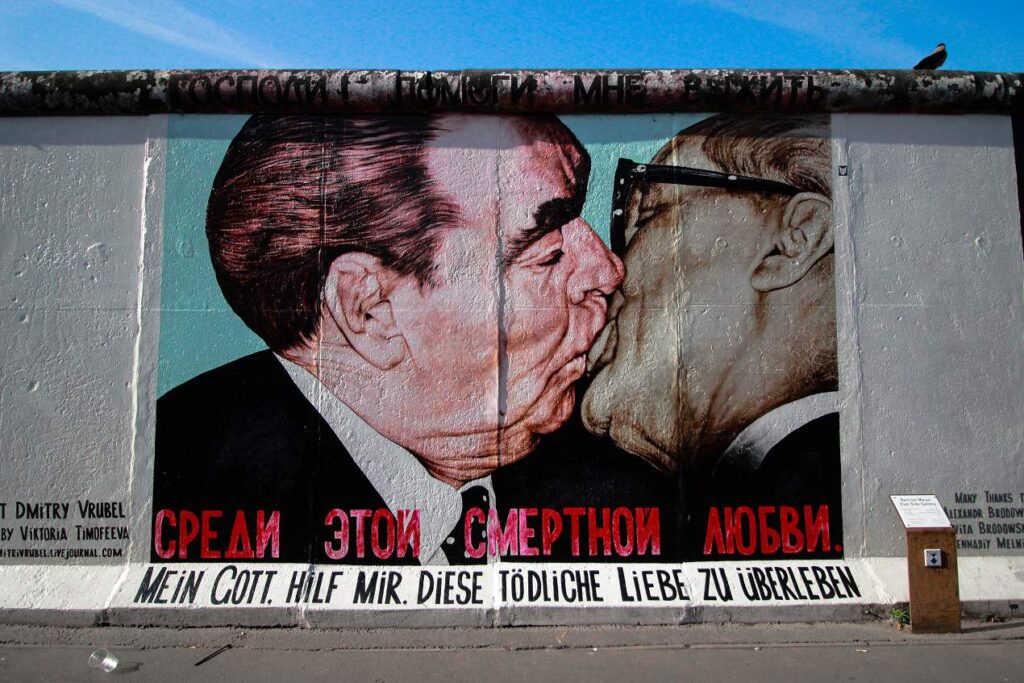
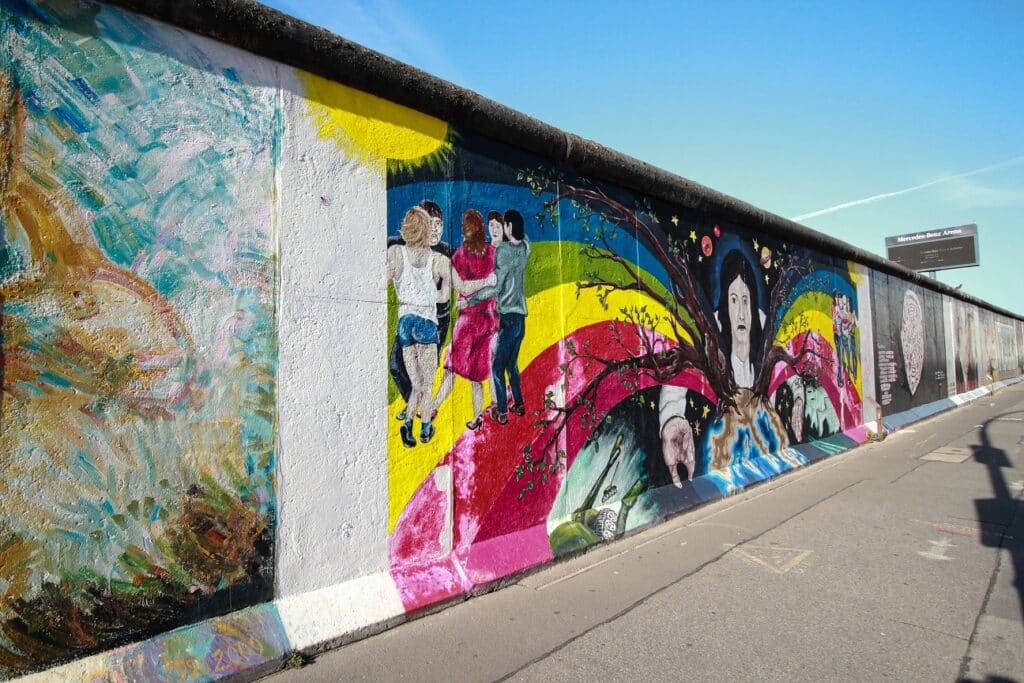
Location Mühlenstraße 3-100, 10243 Berlin
I’m sure even the most adverse to learning history know what the Berlin Wall is. Once serving as a divide between East and West Germany, the largest and longest surviving section of the Berlin Wall now stands as a permanent outdoor gallery with colourful and powerful pieces of art painted on the side.
Towering at 3.6 metres tall and stretching for 1.3km the Berlin wall is covered with politically driven murals and artworks created by 118 artists from around the world.
East Side Gallery is worth a visit if you’re in the area and is probably one of the most photographed sites in the city, so be prepared for crowds of people. But regardless of whether 1 or 100 other people is walking along East Side Gallery, it’s worth the look especially if you want to grab a picture in front of a German politician and the Soviet Union Politician having a good ol’ smooch.
Topography of Terror
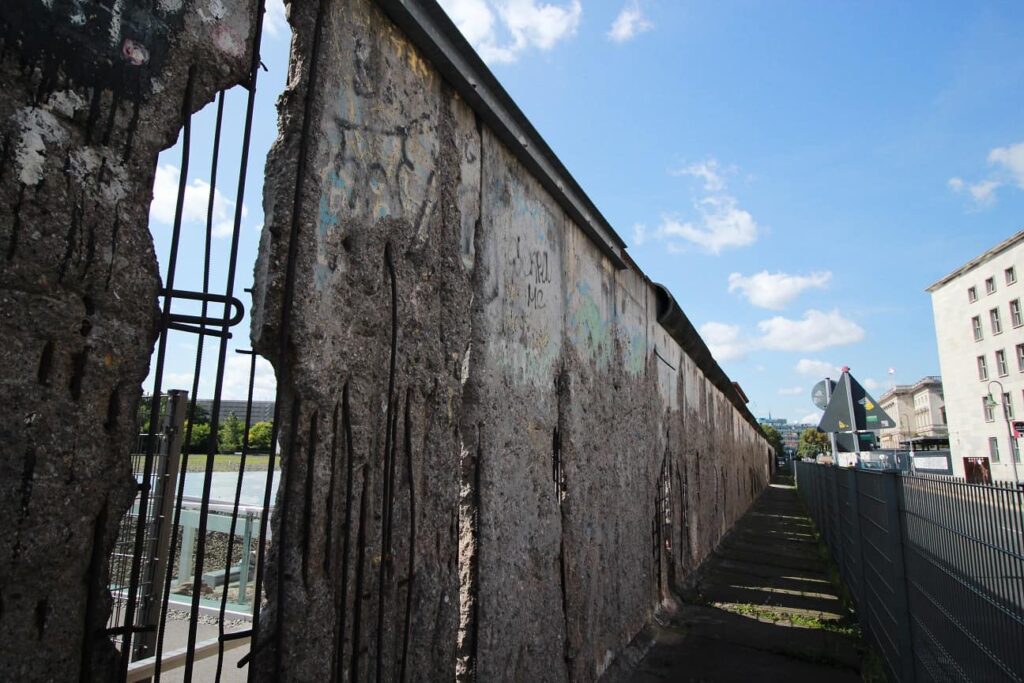
Location Niederkirchnerstraße 8, 10963 Berlin
This is where the tears might start to flow. The Topography Terror is free-to-enter indoor and outdoor history museum, built on the same plot where the headquarters for the SS, Gestapo and other Nazi regime agencies,was based before the building was bombed in World War II.
The Topography of Terror hosts a variety of permanent displays as well as long-term temporary displays, all circulating the events of World War II. The permanent displays include the propaganda behind and crimes committed by the SS and Gestapo during the Nazi Regime, as well as the history of the site where the museum currently stands. The temporary displays circulate the trials of war crimes and lives lived in the Jewish Ghettos
A large section of the partially dismantled exterior of the Berlin wall is still standing outside the museum, creating a poignant backdrop for the timeline of events that stand proud.
On our way to Topography of Terror, we came across an elderly man standing on the side of the footpath selling pictures and small fragments of the Berlin Wall. The photographs showed people chipping away at the wall with chisels not long after the purpose of the wall has been disestablished. Every picture included a small piece of the Berlin wall that he chiseled off himself. So I officially have a piece of history in the form of the Berlin sitting in my cupboard at home!
Checkpoint Charlie
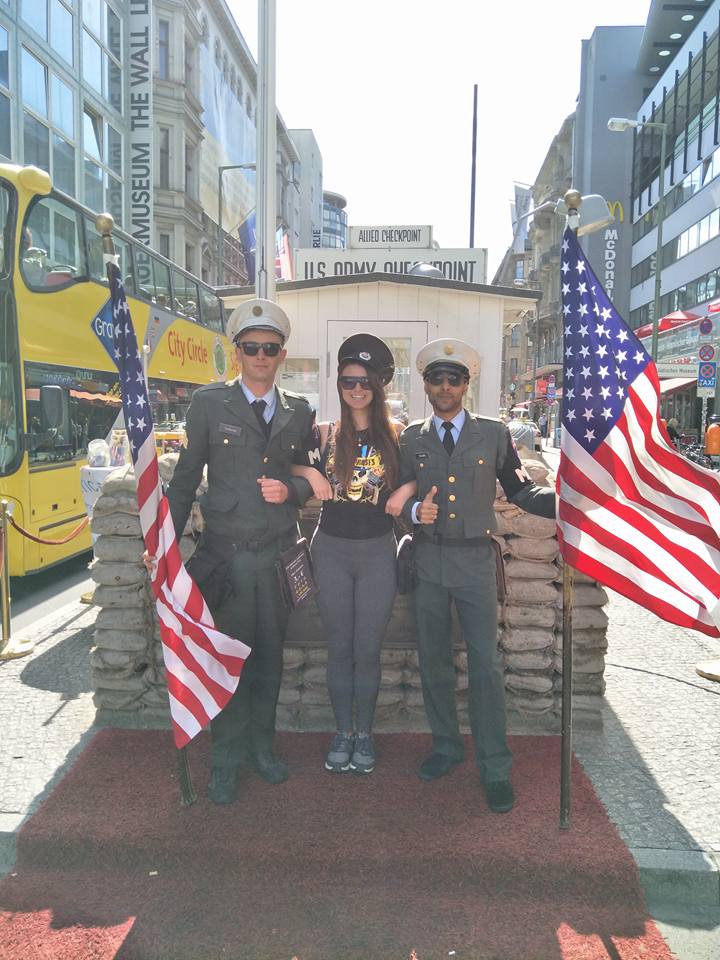
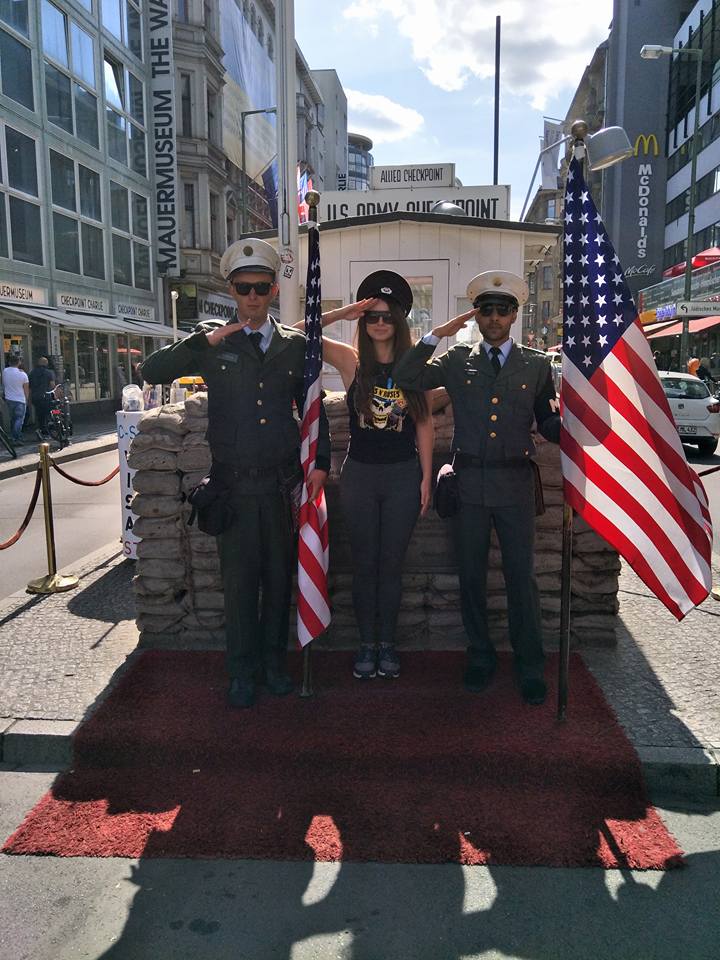
Location Friedrichstraße 43-45, 10117 Berlin
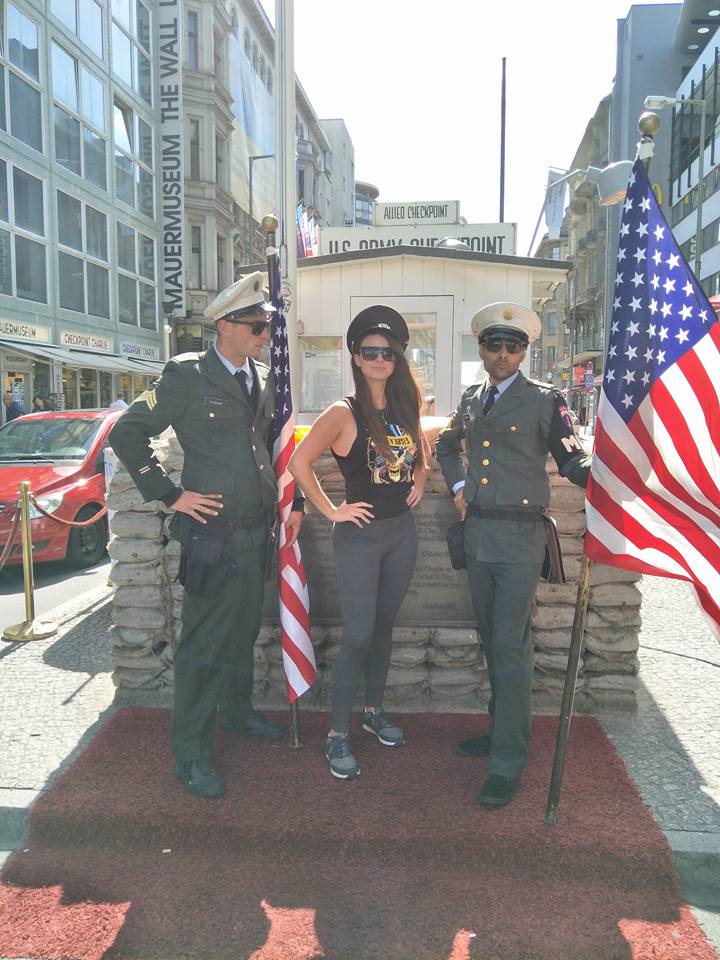
One of the most gimmicky things to do in Berlin is visit the site of Checkpoint Charlie, as you can’t learn history without having a bit of fun! Checkpoint Charlie was one of three checkpoints between East and West Berlin between 1947 and 1991. This specific checkpoint in Berlin was manned by the U.S. Army and was to be used by foreigners and members of the Allied forces who wanted to pass through the area.
Today you wouldn’t be able to tell there was any such checkpoint at this busy intersection between a shopping mall and several museums. Well, if it wasn’t for the gimmicky setup. The original Checkpoint Charlie may be long gone but you can still visit the location and get a picture with a couple of men dressed up in American uniforms for a small donation.
A Museum Museum Haus am Checkpoint Charlie sits on the same intersection and it’s worth a visit if you’re wanting to learn about the creative, yet risky ways Berliners would try and cross the border.
Brandenburg Gate
Location Pariser Platz, 10117 Berlin
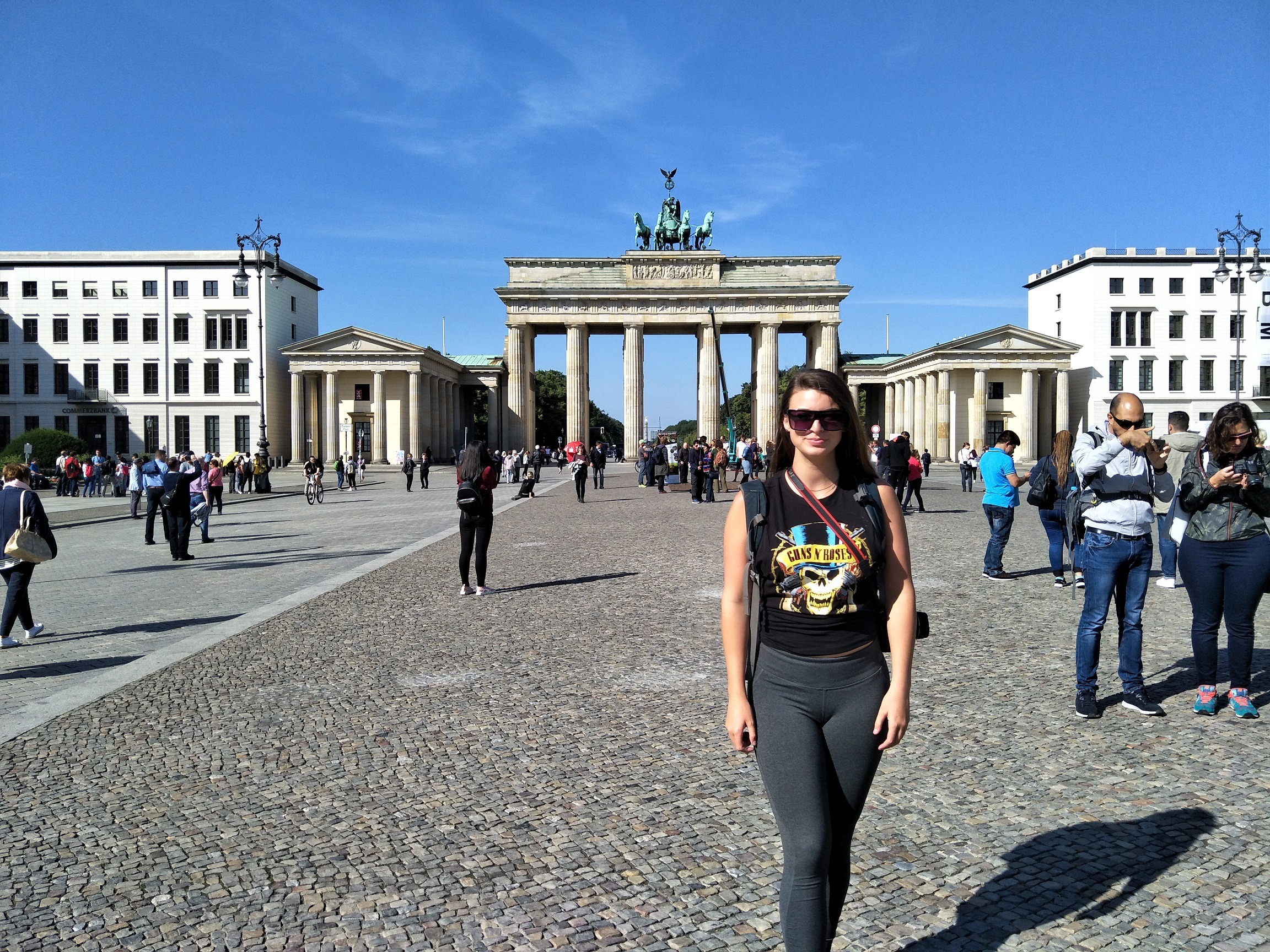
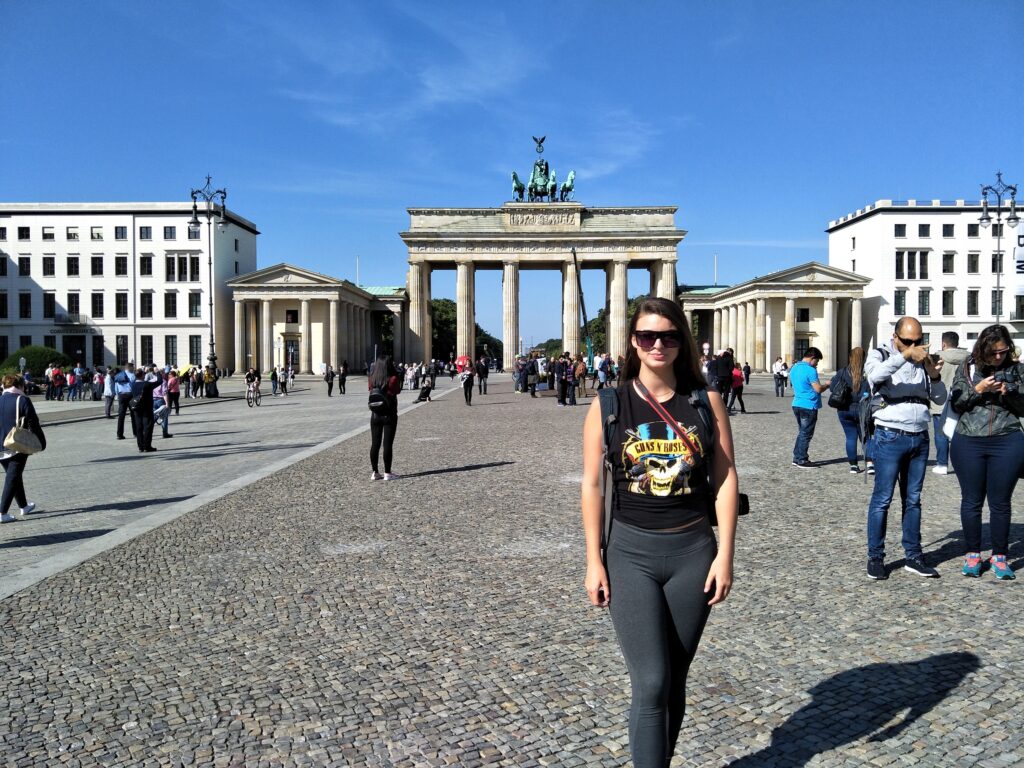
The Brandenburg Gate is one of the most recognizable structures in Berlin so ofcourse can’t be forgotten off a list of things to do in Berlin. It predates World War II having been built in the 18th Century, but since the fall of the Berlin wall, the Brandenburg Gates now stands as a symbol of German unity. Standing at is 26 meters tall, 65.5 meters long and 11 meters deep the Brandenburg Gate is an incredibly large structure, meaning the best place to get a picture is from several hundred meters away.
The gate has survived several wars and has played part in many Political moments in history, from Napoleon Bonaparte being the first to travel through the gate for a celebratory procession, the Nazi party using it as a symbol of power and both the Soviet and East German flag have been flown from atop of the Brandenburg Gate. So the short of it is, you can’t travel to Berlin without getting a picture in front of the gate! Although I might not have a picture of the Brandenburg Gate on here yet, I am still in the process of digging through all my European travel photos to find the perfect one!
Memorial to the Murdered Jews
Location Cora-Berliner-Straße 1, 10117 Berlin
Another tearjerker, Berlin has plenty of locations that play with your emotions so pack some tissues. The Memorial to the Murdered Jews is a rather daunting and confronting site. As the name suggests, this Berlin memorial is dedicated to the 6 million+ Jews murdered during the Holocaust in WWII.
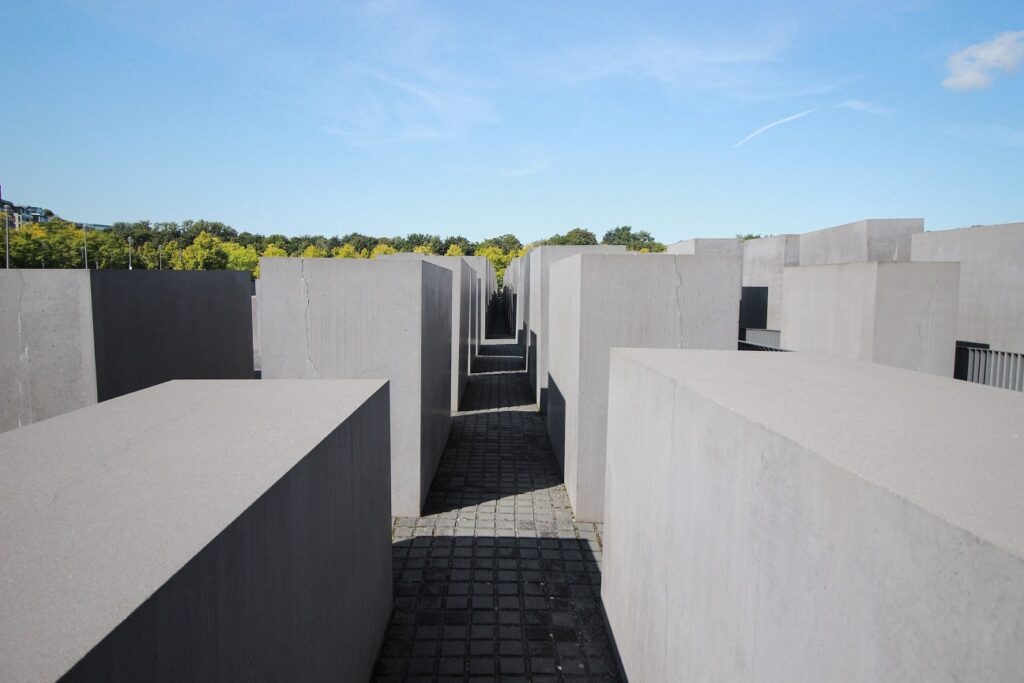
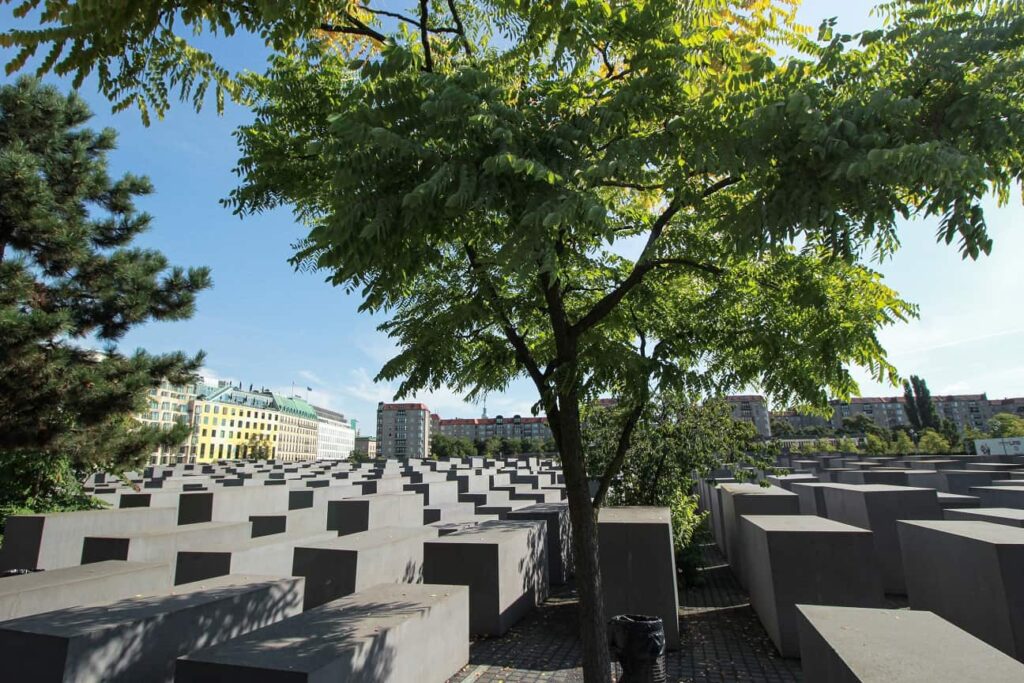
2,711 large rectangular slabs of concrete pillars, all varying in height, swallow the large 19,000-square-metre site.
The pillars are all 2.38 metres long by 0.95 metres wide But vary in height from 0.2m to 4.7m. The pillars progressively get taller the further you walk into the memorial, with them shrinking back down when you emerge out the other side, easily creating an uneasy and confusing atmosphere while provoking thought and contemplation.
The Memorial to the Murdered Jews leaves plenty of room for interpretation; causing some people to think of it as a cemetery, with the pillars representing coffins. And others look at the grey slabs contrasting with the blue sky as a ‘loss of identity during the Nazi regime. I felt a sense of dread walking through the Holocaust Memorial; to me, the pillars, with each ounce of concrete, represent the emotional and psychological trauma the Holocaust forced upon the Jewish community.
The change in heights represents the constant and ongoing work that goes into educating future generations on the very recent events of WWII.
Berlin is a city full of culture, cuisine, music, and art and is the city that I just can’t get enough of. The culture, alternative music, and dance scenes, history, and different pockets of social circles are just so welcoming no matter who you are or where you come from. Some of my favourite travel memories and history lessons are from Berlin and I can’t wait until the day when I book my next flight back.
Rittersport Chocolate Shop
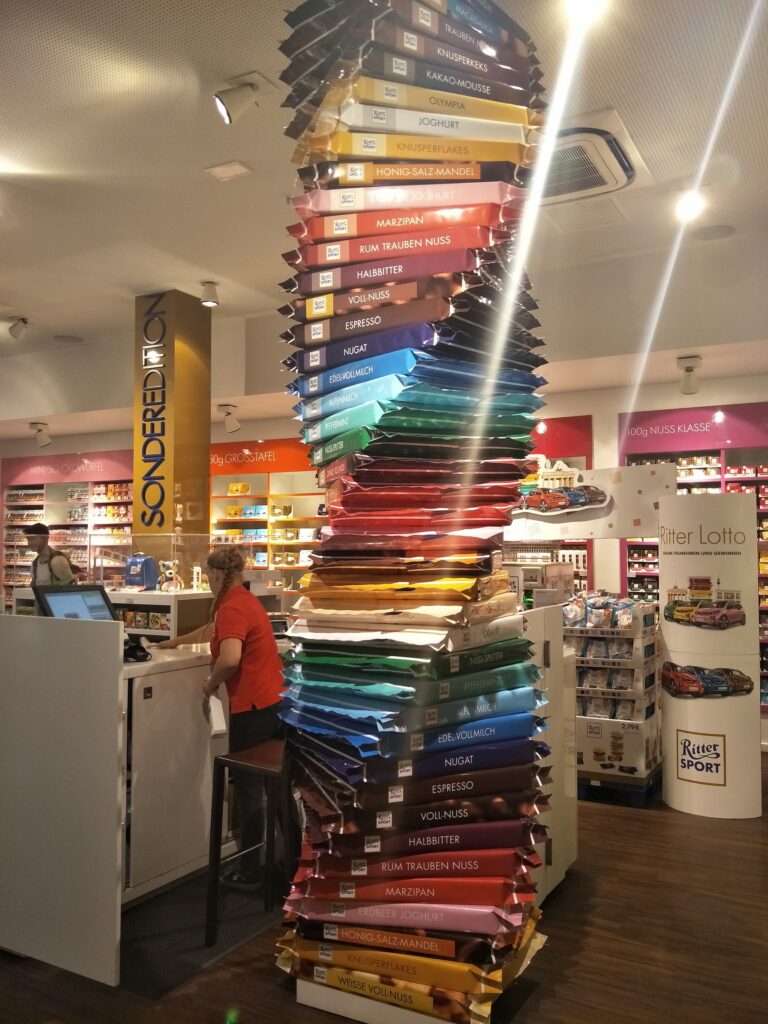
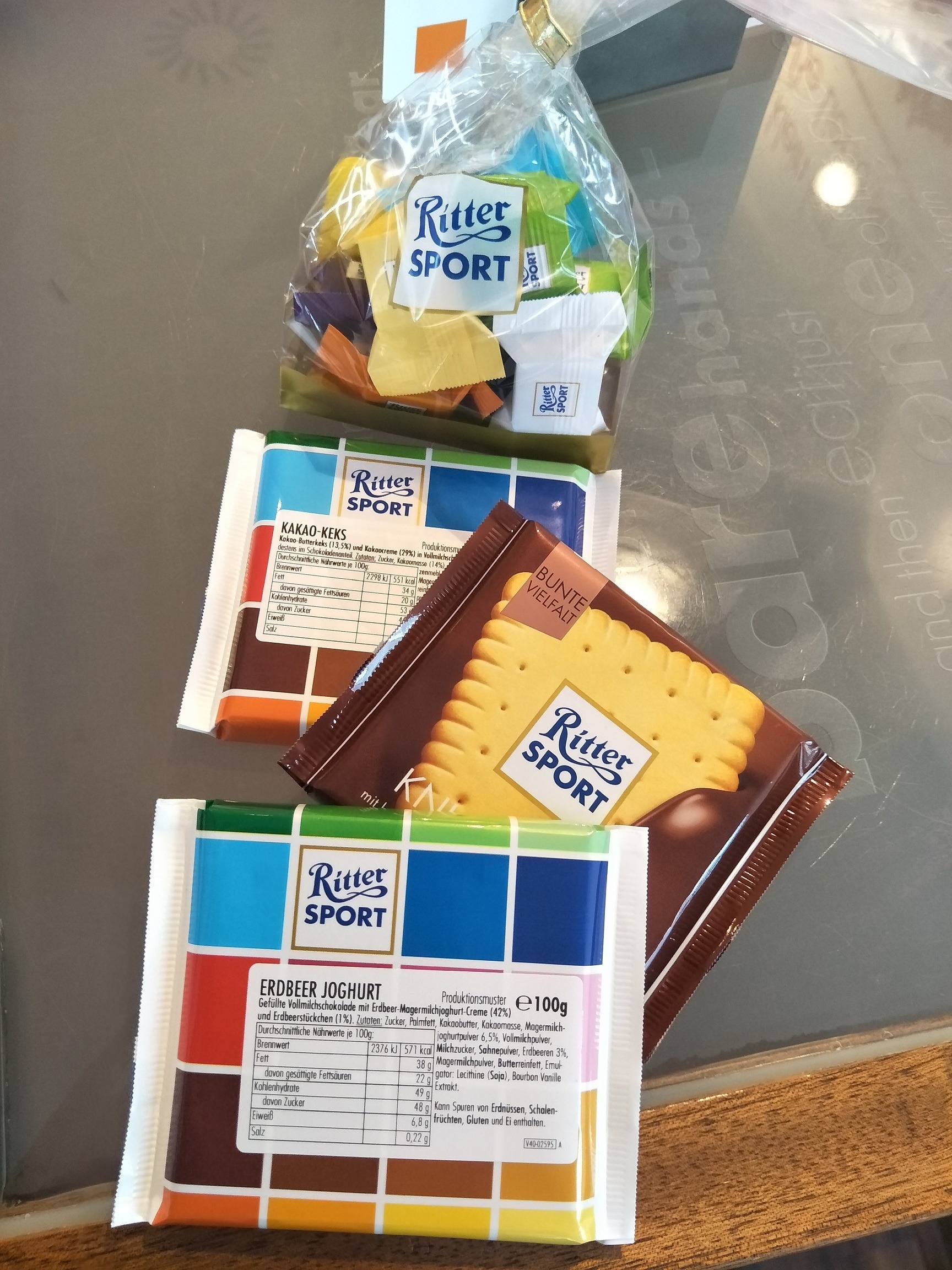
Of all the things to do in Berlin, you can’t avoid this delectable item off your itinerary. Invented by Clara Ritter in 1932; Rittersport chocolate was marketed as a ‘sport chocolate’ for its square, 100 gram sized block that could fit perfectly into your sports jacket pocket during a round of tennis or golf, (maybe even rugby but I’m sure it would turn out more like a flake by the end of the match).
Rittersport chocolate is most well known for its variety of flavours and inclusivity of dietary requirements. With around 50 flavours you have the choice of picking up everything from simple milk chocolate, strawberry yoghurt and pistachio, to festive flavours like caramelized almonds, white speculoos and vanilla crescents. The vegan range even has 5 different flavours to choose from.
You can visit the Rittersport chocolate shop in Berlin at Friedrichstraße, learn about their sustainability program or dine in at their bistro.
Museum Island
Museum Island has been a UNESO World Heritage site since 1999; located on the Spree River, Museum Island is home to five famous museums showcasing art and antiquities from ancient civilizations to 19th-century Europe. Built between 1830 and 1930 under Prussian rule, the museums feature an evolution of European art, architecture and archaeology.
Berlin Nightlife Hotspots
One of the best things to do in Berlin is explore the clubbing scene. The Berlin nightlife is one of the best in the world however clubbing in Berlin is not for the prudent or faint hearted. Fetish and sex clubs are prominent in Berlin and most Berlin nightclubs open at 12pm on a Thursday and don’t close until 5pm on a Sunday, with many not having windows to the outside world so you have no perception of time. Take care, drink plenty of water and trust your gut. The nightlife in Berlin is electric, invigorating and fun but always take care of yourself first.
Berghain
You must be new here if you haven’t heard of Berghain…Berghain is a multi level nightclub in Friedrichshain, Berlin which can hold around 1,500 people. The building itself use to house a power plant which gives Berghain the industrial and raw look which compliments its underground and techno culture. Each floor is dedicated to different genres of techo with the basement being a male-only fetish club.
How do I get into Berghain?
Besides being the world capital of techno, Berghain became famous for being notoriously hard to get into, even though it has a large capacity. The door staff would turn people away without any explanation. If you want your best shot at getting into Berghain then follow these steps.
- Don’t dress up, where black, minimal clothing. The less you look like your going clubbing in LA the better.
- Don’t arrive in large groups.
- Don’t appear overly excited or intoxicated.
Rules of Berghain
- No photography – phone or handheld camera. You will be thrown out.
- Berghain is queer friendly and inclusive, if you find yourself judging or being rude all because someone is different then Berghain is not the place for you.
Matrix
Matrix club in Berlin opened in 1996 under the Warschauer Straße train station. Housing up to nine bars and five dance floors, Matrix is one of the biggest nightclubs in Berlin covering 2,100 square meters of underground vaults. If you’re visiting Berlin on a Contiki Tour you are more than likely to visit this club with your guide.
Kitkat Club
Kitkat Club is a nightclub in Berlin famous for it’s strict fetish dress code and trance music. The motto for the club “Do what you want but stay in communication” should tell you all you need to know about what you should expect upon entering.
Kitkat Club is another all inclusive and queer friendly club, so again if your values don’t align then don’t bother waiting at the door.
More Experiences for your Berlin Travel Guide
Aside from clubbing, Berlin is full of wonderful experiences but of course I haven’t indulged in them all. The following list of things to do in Berlin are worth adding to your German travel guide. But be sure to do your own research as I am not lucky enough to share my own personal experiences!
- Cruise along Spree river
- Tempelhofer Feld
- Sanssouci Palace and Prussian Palaces
- Charlottenburg Palace
- Tiergarten