Rangitoto Island Travel Guide: Hiking Trails, Craters, and Dramatic Coastal Forests
In this Rangitoto Island Travel Guide, you’ll uncover the best views from Rangitoto Island while exploring dense native bush and hearing the calls from our very chatty birdlife.
Rangitoto Island is one of Auckland’s most iconic natural landmarks, visible from every shore line that border the Hauraki Gulf and every sky scraper in the city. The volcanic island is a hub of native wildlife, water based activities and summer adventures. Explore the lava caves, bathe in the serenity of waves crashing against the shore line or simply take in the wonderful nature escape that is so close to the city. This Rangitoto Island hike will make you fall in love with Auckland City and all its wonders all over again.
What to Expect when Visiting Rangitoto Island
Trees, bush and many many piles and fields of volcanic rocks. Unlike neighbouring Waiheke Island, Rangitoto Islands only amenity is a row of toilets at the wharf. There are no shops, no markets and no public transport on the island. Rangitoto is an almost untouched paradise for native plants and birdlife to flourish and thrive without the threat of pests or house pets. Due to this it is important to plan for any weather event, take a layer of warm clothing or a waterproof jacket with you incase the weather turns.
The tracks are predominantly made up of scoria and gravel with a few board walks built around the summit, so you will need a moderate level of fitness and to be steady on your feet to complete the hiking trails around Rangitoto Island.
Rangitoto Island Quick Facts
- Rangitoto is a dormant, symmetrical shield volcano
- The summit rises 260 meters from sea level.
- The only permanent residents are the native wildlife.
- The only amenities are toilets at the wharf, there are no shops.
- There are a 3 cottages on the island which can be rented for short term stays and weekend getaways.
- Rangitoto Island last erupted 600 years ago which helped shape Auckland’s landscape, with solidified lava flows forming the coastlines from Takapuna up to Campbells Bay.
- Rangitoto is home to the world’s largest forest of Pohutukawa trees, which a variety of native birds like Tui love to feed off when the trees bloom with vibrant red flowers during summer.
- Rangitoto is one of 50 volcanic cones in Auckland, and the youngest volcano in New Zealand.
Best Time to Visit Rangitoto Island
Rangitoto Island is an extinct volcano built up of volcanic rocks and lava fields, which is where majority of the trails weave around and through making it a magnet for heat. I strongly recommend visiting Rangitoto Island during the shoulder seasons, either late spring or early autumn. As this is when there are fewer crowds and the heat of the midday sun isn’t blaring down on you creating a Rangitoto hot pot of humans.
- Summer (Dec – Feb) Hot, more crowds, perfect for swimming or water based activities.
- Autumn (Mar – May) Mild temperatures, fewer crowds. Still nice for swimming in the middle of the day.
- Winter (June – Aug) Cold, wet and rainy. The native bush will be very green and lush and the bird life extremely active hunting for food on the forest floor.
- Spring (Sept – Nov) Mild temperatures, warm during the day. Fewer crowds than summer.
How to get to Rangitoto Island
There are a few ways you can get to Rangitoto Island from Auckland; anyone with a private boat can motor on over to the island and anchor themselves just off the shore line.
Many fitness enthusiasts fit Rangitoto into their weekly running schedule; row, kayak or paddle over to the island then run up to the summit and back before paddling back to the city. But many of us aren’t that fit so rely on the only Auckland to Rangitoto Island ferry:
Auckland to Rangitoto Island ferry
Auckland Fullers360 are the only ferry that service Rangitoto Island. Catch the ferry from either Devonport wharf on Auckland’s north shore, or the city terminal in the CBD. Ferries run to and from the island 3 times a day and take around 25 minutes to get there. Plan your visit well and give yourself plenty of time to explore the island by catching the first Rangitoto ferry after 9am, as the returning ferry is at around midday and 3pm, if you miss the last ferry of the day you will be camping out in the bush.
Accommodation on Rangitoto Island
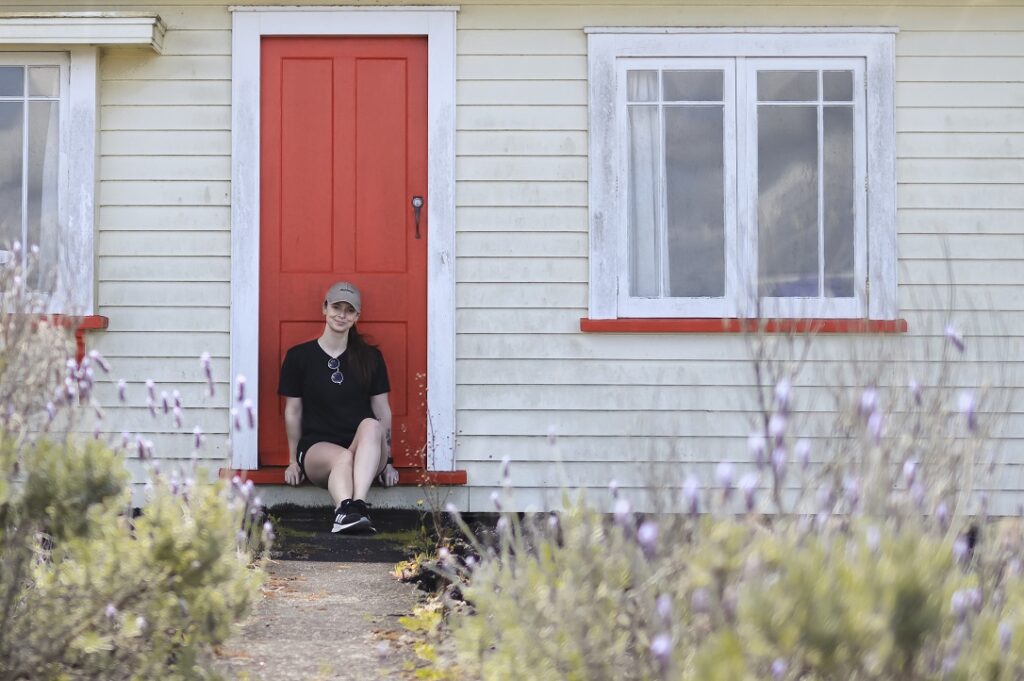
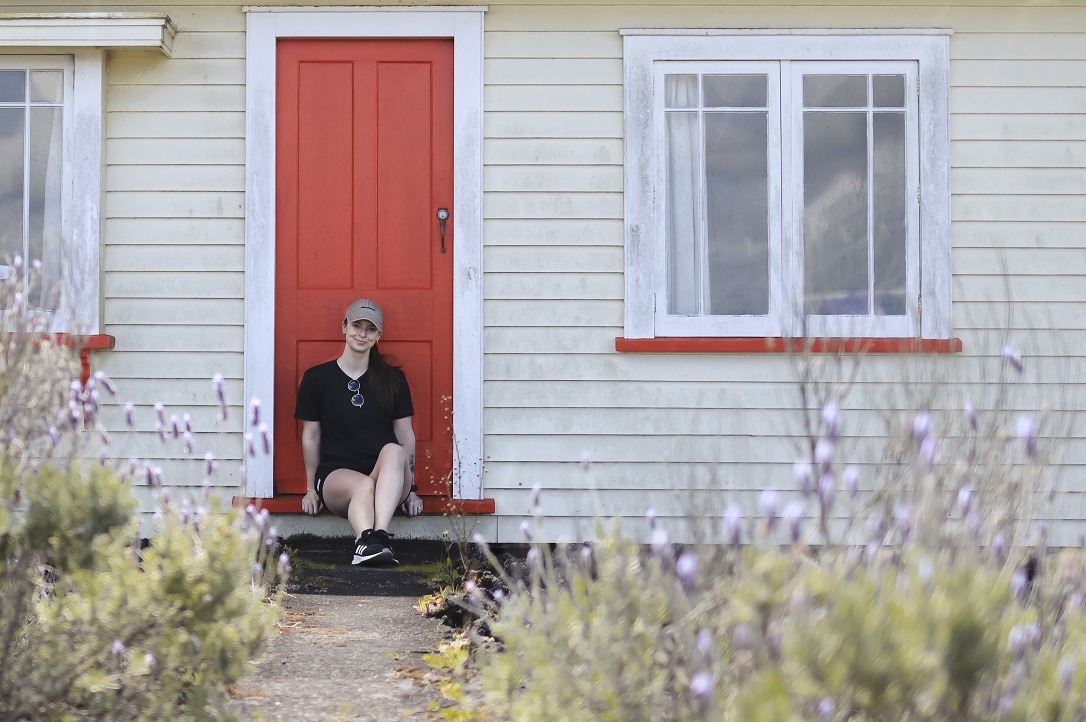
There may be no permanent residents on Rangitoto Island, but there are 3 cottages that you can book for overnight stays. Overnight Rangitoto is where you can step back in time and stay in one of three historic cottages that were built in the 1920’s. Two are located in Islington Bay and the third near the Rangitoto wharf. These are the only places you can stay overnight on Rangitoto Island as camping is not permitted.
These bach’s have been lovingly restored and although off grid, you still have the convenience of solar power, gas cookers, solar fridges and chemical toilets.
Things to do on Rangitoto Island

Summit Hike
The Rangitoto Island Summit Track is a scenic and moderately easy hike that offers panoramic views of Auckland and the Hauraki Gulf. It is one of the most popular day hikes near Auckland city and a must-do for nature lovers and outdoor enthusiasts. The summit track is about 3.1km one way and takes around 30 minutes to complete.
The terrain is rough, rocky and at time unsteady due to the hiking tracks being carved through volcanic rock
Rangitoto Lava Caves
The lava caves on Rangitoto Island are a fascinating natural feature formed by ancient volcanic activity, located just a short walk from the summit. They offer a unique opportunity to explore underground tunnels created by flowing lava over 600 years ago.
The lava caves are located about 200 meters from the summit and are accessible by a short detour off the summit track, these tracks are well sign posted. The largest cave is about 50 meters deep so requires a torch to explore, the path to the caves is moderately challenging so is not suitable for push chairs or anyone not comfortable on uneven ground.
Photography and Wildlife Spotting
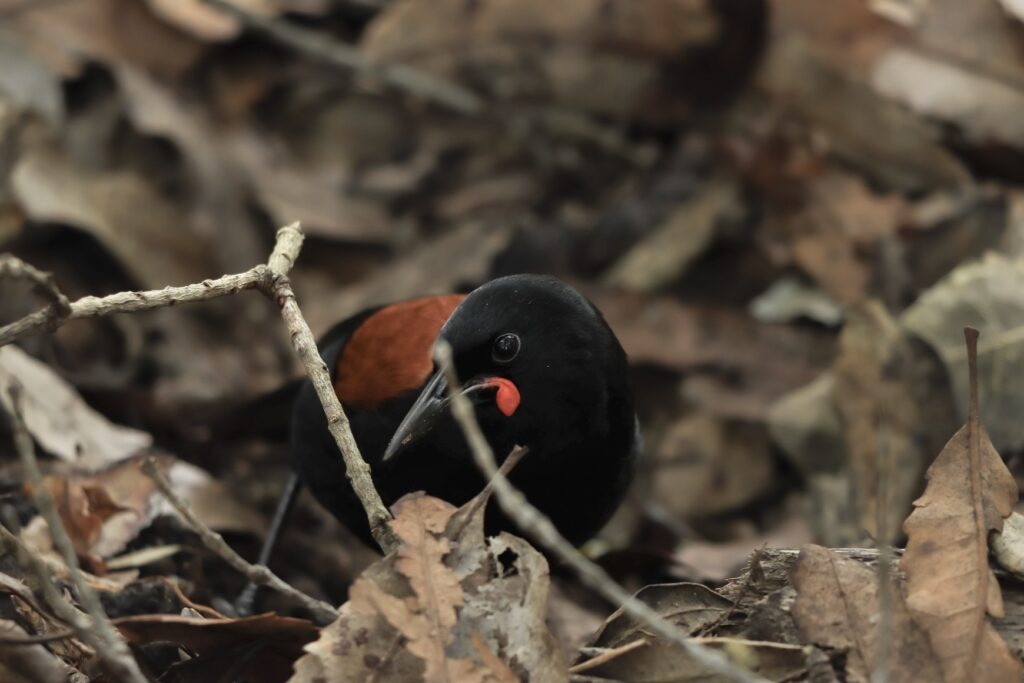
Rangitoto Island and neighbouring Motutapu Island were proudly declared pest free in 2011, which means our native birdlife can flourish without being hunted by predators. Birds like Tui, Kaka, Kereru and the endangered Saddleback are the only permanent residents of Rangitoto Island making it an amateur photographers playground.
Sit quietly in the bush, capture the dramatic volcanic landscape of Rangitoto or wait it out for a glowing orange sunset across the city. Explore Rangitoto through the lens of your camera and see what magic you can capture.
Water Activities on Rangitoto Island
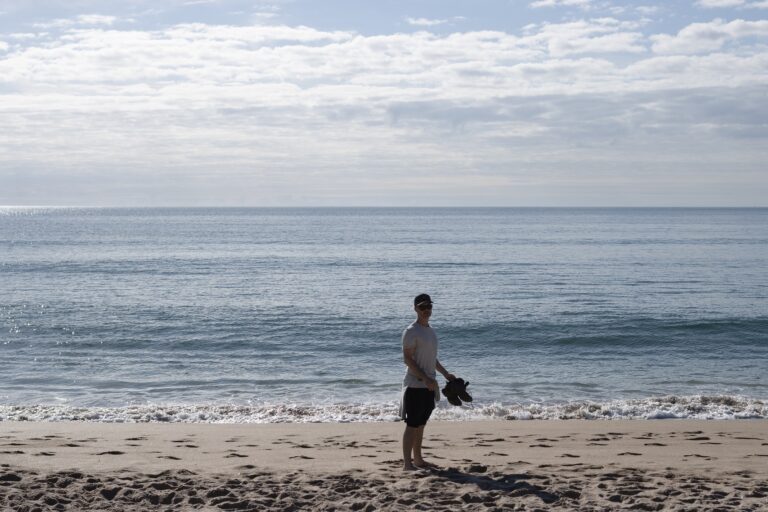
Take over your swimsuit, plenty of sunblock and enjoy a day lounging by the clear blue water. Rangitoto is a fantastic place for water based activities and especially popular for those with boats. Whether you have a kayak, jet ski or motorized boat you can power over to Rangitoto Island and enjoy the native wonders that bring Rangitoto to life.
Tips for your Rangitoto Island Hike
You will need the following items to ensure a comfortable Rangitoto Island hike and day trip:
- A hat and sunblock
- Plenty of water
- Comfortable walking shoes
- Plasters
- Rain jacket
- Torch (for exploring the lava caves)
Make sure you are well prepared for your Rangitoto Island hike. There are no shops or markets to buy any supplies so pack a lunch and plenty f water to get you through the day.
Best views from Rangitoto Island
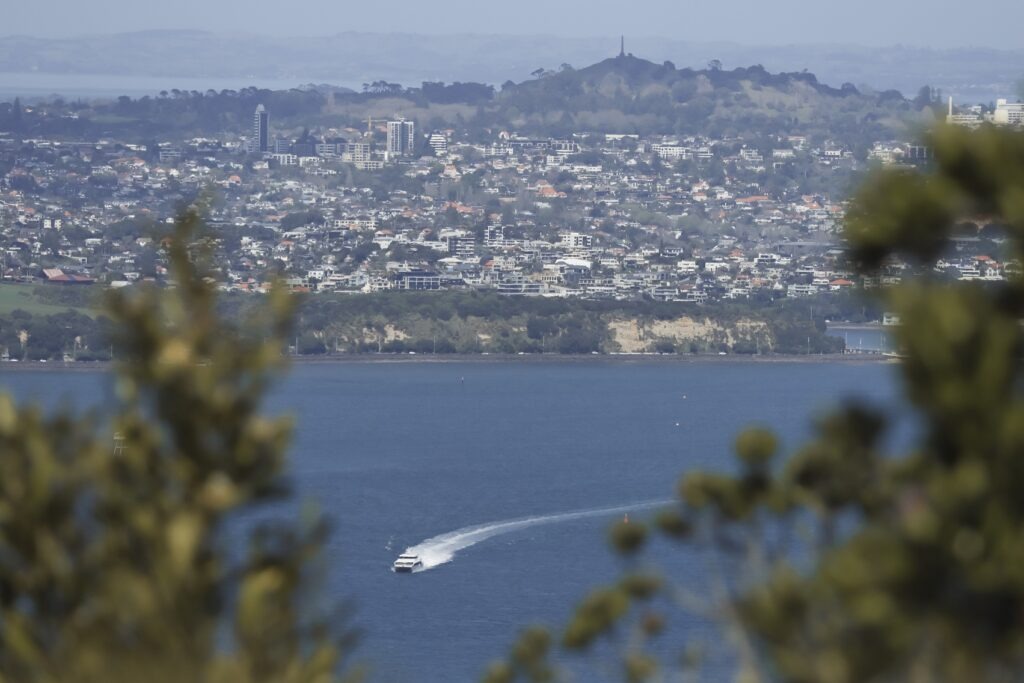
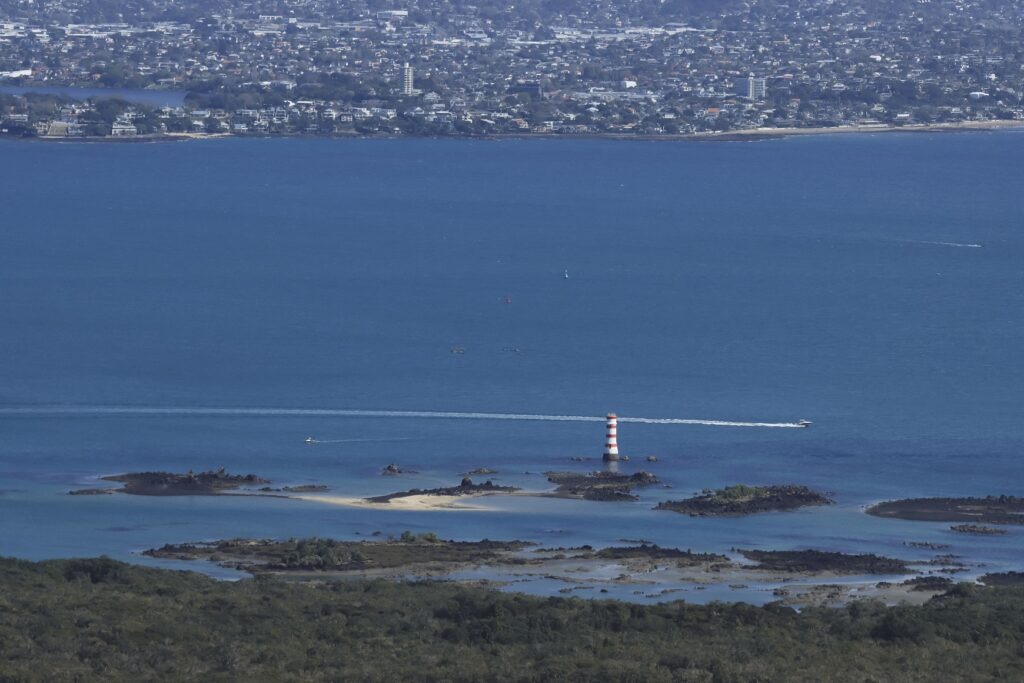
The best views from Rangitoto Island can be seen from the summit as well as the walking tracks along McKenzie Bay Road and Summit Road. You will see views of Auckland city, and if it’s a clear day you can just make out out outlines of Whangaparaoa Peninsula and Shakespear Regional park to the north and event the Coromandel to the east.
More Auckland hiking trails
If you’re looking for more Auckland hiking trails then look no further than the gorgeous Waitakere ranges. Discover surging waterfalls and the wild west coast beaches. The west coast is famous for its wild waves, dense rainforest and incredible views across the city and ocean. Find yourself hiking along cliff top views at Mercer Bay Loop or enjoy jumping between the waves at Piha.
Kitekite and Karekare Falls
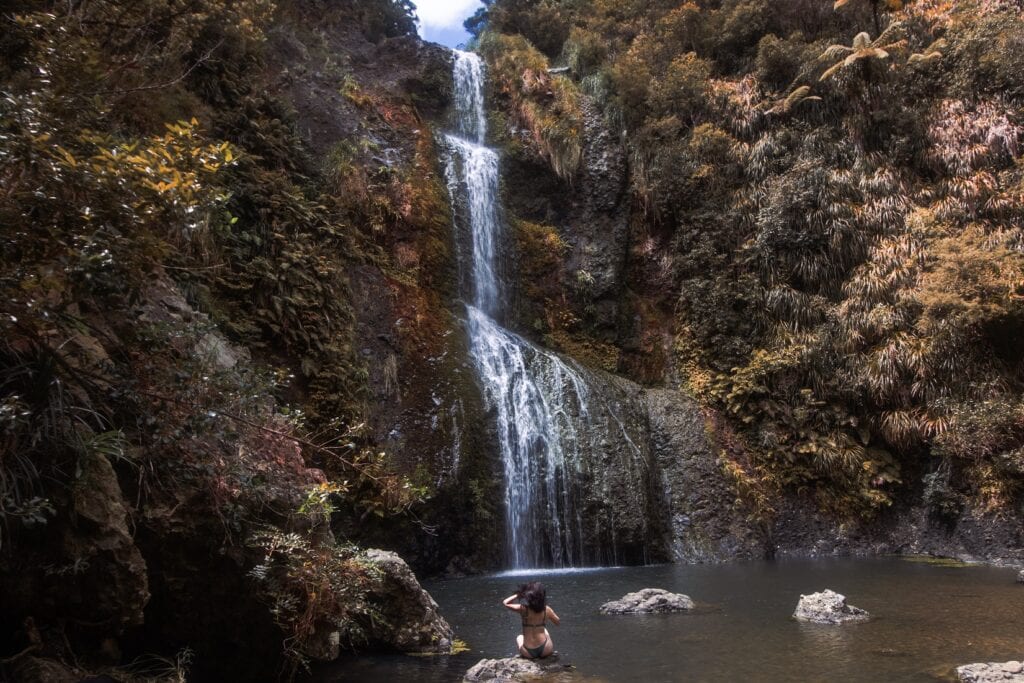
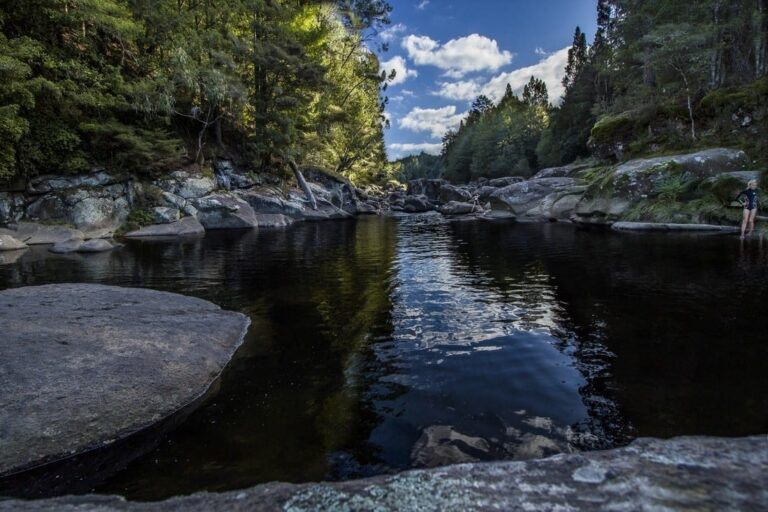
Kitekite Falls is a 45 minute hike to a beautiful 2 tiered waterfall near Piha beach. Swim in the base pool for a refreshing dip or continue for another 10 minutes to the top of the falls where you can jump into the upper pool which feeds into Kitekite falls.
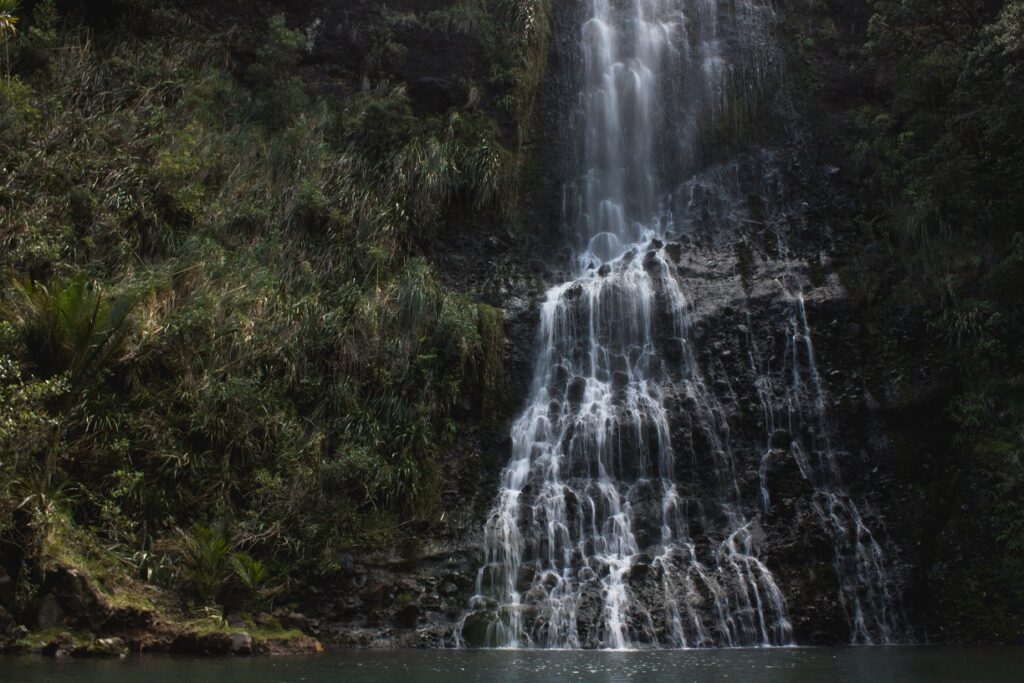
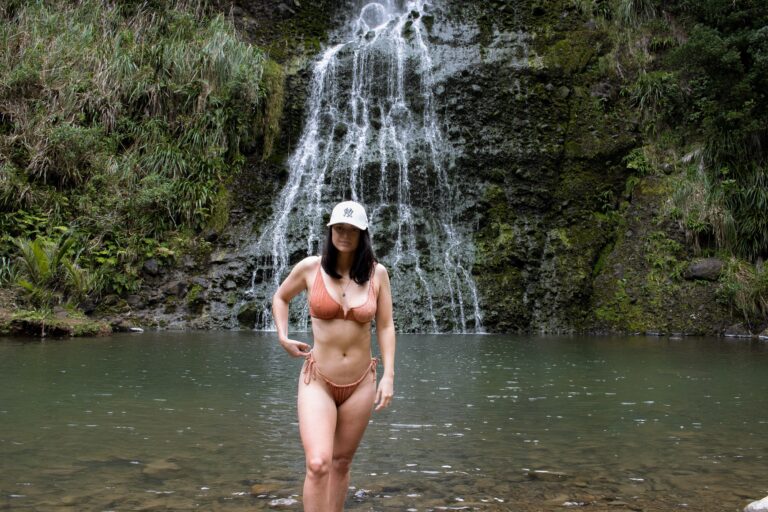
Karekare is a short drive away and an even shorter walk to the waterfall. The easy gradient walk is about 5 minutes from the main carpark which takes you to a clearing where you can enjoy a lovely picnic and take a refreshing dip in the fresh water pool.


One Comment
Comments are closed.