
Starting a Blog in 7 Easy Steps
Starting a blog is both fun and daunting; are you wanting to start a blog or website and don’t know where to even start? You don’t know what you don’t know so I’ve put together this very brief and easy to follow guide of the steps you need to take to start a blog.
Blogging is fun hobby where you get to share your experiences, hobbies or knowledge with people from all over the world who have the same interests as you, however starting and continually running a website isn’t as easy as 1-2-3. There are so many layers to running a successful blog and although I’m not an expert I can definitely share what I know so you don’t spend a year (like I did) running a website that drew in 5 readers a month, if lucky.
These days I draw in a few more readers than I previously did, so I must be doing something right?
Choose Your Niche
There is no point starting a blog or a website if you have no idea what you want to write about or what service you want to provide; which is where the word ‘niche’ comes into play. You will hear this word a lot and it may sound fancy but it is just another word for what you want to specialize in.
The most common blogging niche’s are travel, beauty and parenting. But you can get even more specific and specialise in ‘Travelling with Children’, or ‘Beauty tips for Sensitive Skin’, there is really an endless list of topics you can pursue but make sure it is something you have knowledge in or experience. After all you want your readers to trust you and to keep coming back for more, we all experience imposter syndrome at some point in our lives but nobody likes a fraud.
Be careful if you are pursuing a niche related to health related topics (mental health, pharmaceuticals etc), especially if you are not trained in those fields. It is okay to share your lived experiences but remember there are health professionals who train for years to be certified in those lines of work, and the spread of misinformation can harm lives. Always put a disclaimer at the top of your page if you are sharing your personal experience and not explicitly handing out health advice.
Why is a blogging niche important?
A niche is one of the most important steps you need to consider when starting a blog. What do you want people to see when they click on your website? Do you want it to be a Motley Crew of your favourite restaurants, pet care advice and how to train your dragon? Or do you want people to enter your site and see you as the go-to expert in a particular topic? (Spoiler alert, it’s the second option!)
A lot of bloggers will say that the market is flooded with specific niches’, but at the end of the day everyone’s experiences and reviews are different, you may have found a whole new way to travel cheaper and lighter, or a new trick to making foundation stay glowing that little bit longer. Ignore the critics and share in a topic that is close to your heart because one day it might make you a passive income.
Understand Search Engine Optimisation (SEO)

Understand SEO is the biggest technical hurdle you need to understand when it comes to starting a blog. When I say ‘understand’ I don’t expect for you to know search engine optimization like the back of your hand, but you should have a brief understanding on the amount of background work that goes into running a successful website or blog; it’s not as easy as having a webpage and sitting back and watching the readers flood in.
What is Search Engine Optimisation?
Search engine optimisation or SEO is the process of getting traffic (people reading things online) from search engines like Google to your website. You know those webpages on the first page of Google results? SEO is what got them there.
I’m not an expert in SEO but to give you a really basic understand; SEO includes things such as:
- Keyword research into webpage titles and article content.
- Names of any photos uploaded (Instead of ‘IMG_1234’ you name the photo relevant to your post ‘How_to_start_a_blog’.
- Writing at least 1000 words for each post with correct grammar; quality content!
- Correct page structure with headings, pages that are easy to read and follow.
- Backlinks from other websites
Obviously the list is much longer than that but these are the basics you should be hitting with your site and every new blog post you create.
SEO is a lengthy topic so I won’t get into it here, if you want to understand more about check out my following two articles:
– Understanding Search Engine Optimisation.
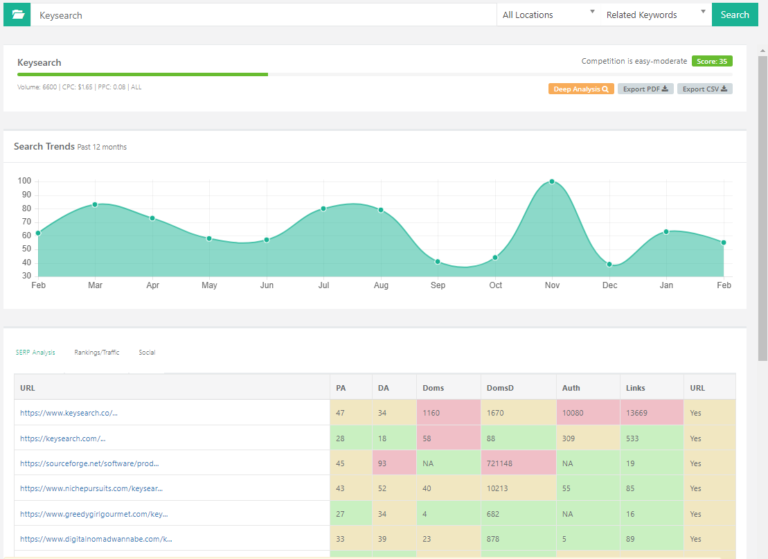
– Keysearch Blog post.
Join an Online Blogging Support Group
These first 3 steps are about understanding the work that goes behind building a blog, and building a community of support from fellow bloggers. There are plenty of blogging support groups on Facebook like ‘The Blog It Better Society – Bloggin Tips & Support’. The Admin, Margaret Bourne is an expert blog coach and regularly answers questions, provides advice and runs weekly threads where you can connect directly with other bloggers from your niche.
Members often post and answer various questions, so use the search tool before asking a specific question as you may get your answer from previous threads!
Think of a Blogging Site Name and URL
Alright, back to the fun and creative part of building a blog. Your website name is super important for SEO to draw readers to your site as it should represent what your site is about, (this is where I fell through with my URL, it really should have been Loveyagutstravel.co.nz, but it is too late now!)
You need to see if your chosen site name is available to purchase as a URL. Sites like GoDaddy and Google Domains are two places you can research and purchase yourself a domain. Make sure you do your research on sort of support offered through these sites.
Decide on your host and Platform
There are plenty of website hosting platforms to choose from, you just need to find one that works or you, your needs and your budget.
Platforms like Weebly and Wix allow a super easy set up with a drag and drop function, however, SEO optimisation and flexibility with designing your webpages are very limited. I started on Weebly and after a couple of years of refining my niche and growing my platform I moved to WordPress.org hosted by Bluepress.
If you’re wanting to eventually build your blog to bring in passive income then I suggest starting with WordPress.org. WordPress allows for maximum SEO optimization and more flexibility around design and how you want your website to look, however it may take a while to understand what the heck you are doing, so starting on Weebly or Wix is never a bad idea for you to get into the flow of writing and optimizing posts. Starting fresh with any skill or job takes time, let alone doing it all by yourself in your home office with only the support of strangers advice on the internet (am I getting a little personal?).
There is nothing stopping your from starting with a platform like Weebly and eventually moving to WordPress once you’ve found your feet; but be warned it is another exercise in itself moving everything over.
Start Creating Content for your Blog
This is where the real fun begins, but also the endless chopping and changing of pages until you are happy with the look.
There are a series of pages you need to create before you can start sharing your knowledge and experiences. Start by creating your home page; this is where people will first land if they type in your domain into the search bar. You want this to be inviting, interesting, have plenty of information and original photos; you want people to continue exploring your site!
The next pages you will need to set up are listed below:
- About Page
- Contact page
- Privacy and content Policy
The ‘About Page’ is where people can learn a little bit about you, it makes your blog more personal and less of a ‘factory of information’, let your readers know that they can reach out. I suggest searching some blogs or websites in the same or similar niche as you and see how they have set up their pages; draw inspiration from well run and successful blogs to understand how to run yours. I do this all the time! Looking at how I can improve my website and easy use to navigation for readers.
The Privacy and Content Policy is extremely important, especially if your goal is to monetize your blog. You will need to explain to your readers how their information is gathered and used. There are plenty of examples you can copy and paste and edit to fit your specific requirements.
Do not publish your website until you have content for readers to check out, I know you may be excited but there is no point opening your bakery if you haven’t baked any bread.
For more information on how to write content for your blog, check out my following article which deep dives into this topic:
– How to Write Content for your new Blog
Understanding Traffic and SEO Data for your Blog
When your blog is running you will want to know how it is going, how many readers are you getting a month and where are they coming from? Set yourself up with Google Search Console and Google Analytics, these will help you understand how much traffic your getting, where it’s coming from and your most popular posts. These can easily be linked to your website you just need to follow the instructions with each one.


2 Comments
Comments are closed.